How to Roll Your R'S in Spanish: 3 Tips from a Professional Accent Coach
Master the Spanish trill using the 'Lip-to-Tongue' method and psychological relaxation techniques.
How to Roll Your R’S in Spanish
To roll your R’s in Spanish, you must master the mechanics of the alveolar trill by relaxing the tongue and allowing air pressure to create a natural vibration. The most effective training method is to first simulate this vibration with your lips (the ‘bilabial trill’) to understand the balance of airflow before transferring the movement to the tongue.
The Secret to the Spanish Trill: Relaxation
I used to work as a professional accent coach behind the scenes for Hollywood actors. One of the main things I taught in that career was the mechanical process of producing new sounds, and the Spanish “RR” is exactly that, a mechanical process that I’m going to teach you. If you try to force your tongue to move, it will remain too stiff to vibrate.
Tip 1: The “Lip-to-Tongue” Mechanical Reset
Instead of starting with your tongue, start with your lips. This removes the frustration of “failing” the sound while teaching your brain the physics of a trill.
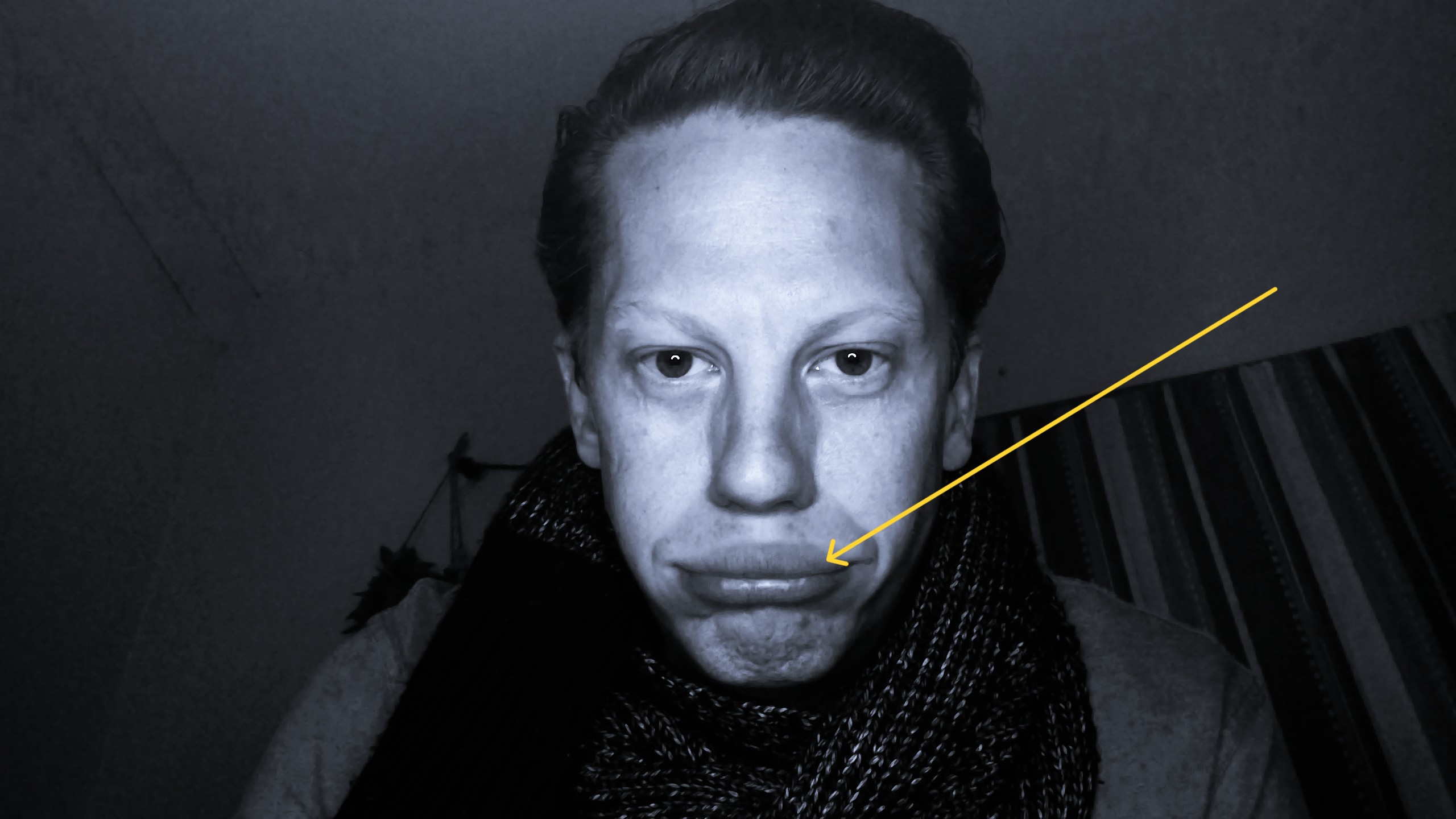
- The Lip Trill: Blow air through your lips so they flap like a motorboat.
- Analyze the Mechanics: Your lips are relaxed, but you are using the slightest amount of effort to bring them back together while the air forces them open.
- Add Your Voice: Vibrate your vocal cords while flapping your lips—going from a silent “pffft” to a vocalized “brrrr”.
- Transfer to the Tongue: Your tongue should act like a flag waving in the wind—completely relaxed, held up only by the flow of air.
Tip 2: Lower the Psychological Barrier
Your brain has spent your entire life making specific sounds. Making a new sound feels “weird” or “wrong” to your subconscious. To fix this, you have to step out of your comfort zone.
- Be Silly: Turn into a kid and be goofy. Making “crazy” noises relaxes the exact muscles that are usually too uptight to roll an R.
Tip 3: The “Modest Drink” Hack
If you are a person that enjoys a modest cup of wine or a beer, try practicing after one drink. It isn’t about getting drunk; it’s about lowering your psychological “uptightness” so your brain can let go and allow the new sound to happen without overthinking it.
FAQ
Why can I do it with my lips but not my tongue?
It’s because you are likely subconsciously “tensing” your tongue. Your lips are easier to relax because you don’t associate them with “speech rules” as much as your tongue.
Region: United States | Timezone: EST